Temple & Family History Leadership Instruction
Three principles from the 2026 instruction — explained in plain language for members and leaders to apply right now.
The Purpose Behind the Instruction
Each year, Church leaders issue a Temple and Family History Leadership Instruction to help ward and stake leaders guide members in this sacred work. The 2026 instruction, delivered by Elder Patrick Kearon and Elder Mark A. Bragg, centered on three interconnected principles designed to simplify and deepen how members engage with family history and temple service.
These aren't just principles for leaders — they're for every member. Whether you're brand new or have done family history for decades, these three ideas can transform how you approach this work.
The Three Principles
Always Focus First on the Savior
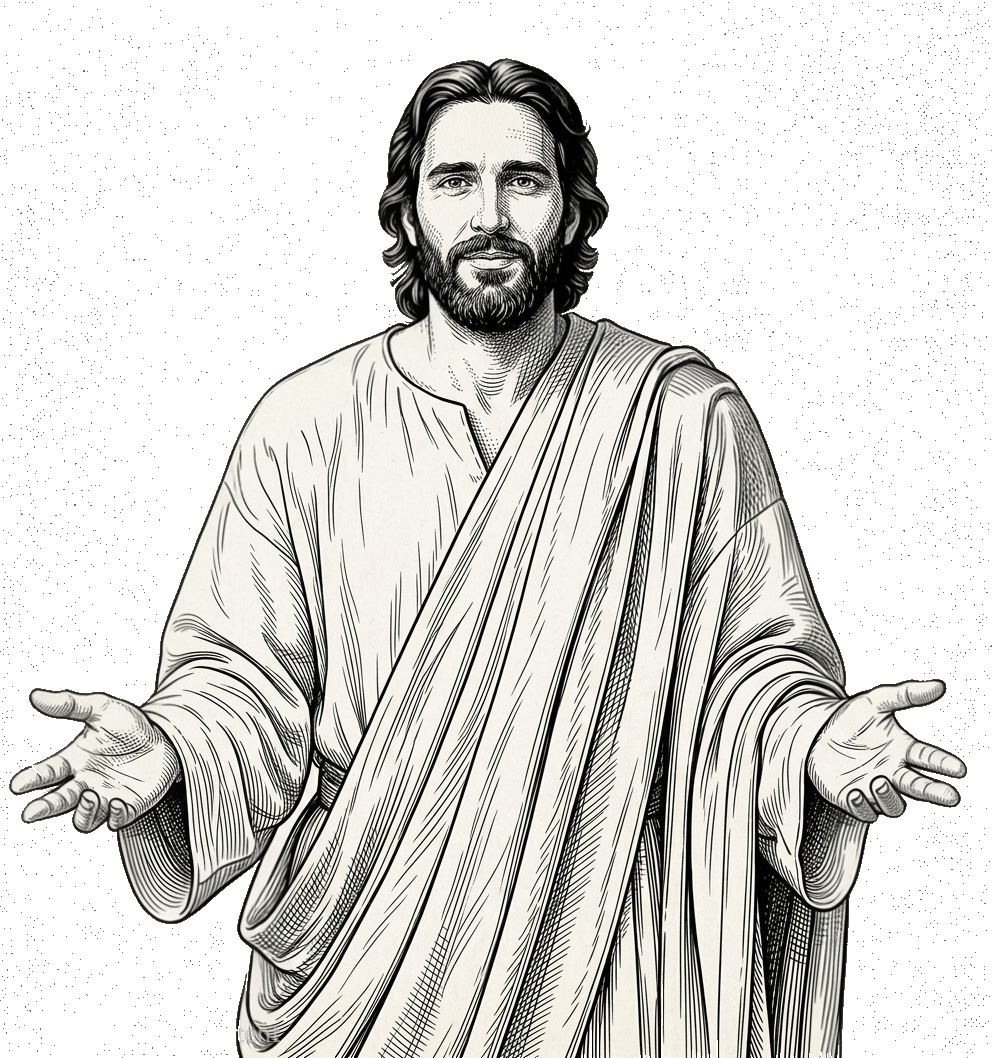
The most important shift the 2026 instruction calls for is this: don't lead with tools, don't lead with tasks — lead with the Savior. Temple covenants derive their power from binding individuals to Christ. When family history work stays centered on Him, it becomes something entirely different than a research project.
In practice, this means:
- Beginning conversations about family history by talking about what it means to be connected to the Savior.
- Helping members see temple ordinances as an extension of Christ's atoning sacrifice — not as a genealogical checkbox.
- Letting spiritual impressions guide research, not just methodology.
The next time you sit with someone to help them with family history, open with a brief discussion of the Savior — what the temple means, what it means to do this work for someone who cannot do it for themselves. Let that frame everything that follows.
Use Ordinances Ready
Ordinances Ready is a feature on FamilySearch that identifies ancestors who are prepared for temple ordinances and guides members through reserving those names. The 2026 instruction highlights it as one of the most accessible and spiritually powerful tools available right now.
What makes it meaningful:
- It shows your relationship to the ancestor — not just a name, but a great-great-grandmother, a cousin, a uncle.
- That personal connection transforms the experience of doing ordinances for them in the temple.
- It's simple enough for someone who has never done family history before.
Open Ordinances Ready on FamilySearch with a family member or a new member and let them see the names of their own ancestors waiting. Watch what happens. See our Ordinances Ready guide for a full walkthrough.
Add What You Know
This principle removes the pressure of needing to be a genealogist. Add What You Know simply means: put into FamilySearch the names and dates you already have in your memory and family records. Your parents. Your grandparents. Where they were born. When they married.
That starting point does two things:
- FamilySearch often finds records and connections you didn't know existed, automatically extending your tree.
- It opens the door for ordinance work for those ancestors — blessings that flow from the simplest starting point.
Family Name Assist supports new converts specifically — it lets them begin this process right after baptism, without needing to understand the full scope of genealogical research.
Don't wait until you know everything about your family. Open FamilySearch, add what you know today, and let the system show you what comes next. Then take one of those names to the temple.
For Leaders: Bringing This to Your Council
The 2026 instruction specifically invites leaders to experiment with these three principles in their ward and stake councils. A simple way to start:
- Open your next coordination meeting by reading Elder Kearon's quote: "Think of the Savior. Speak of Him. Have Him at the middle of all of this."
- Identify one person in the ward who could be helped by Ordinances Ready this month.
- Ask your consultants to help one new member use Family Name Assist before the month ends.
These aren't programs — they're conversations and one-on-one experiences. That's where the power of this instruction lives.
The Integrated Approach
 Use Ordinances Ready
Elder Bragg summarized it this way: "You start with the Savior… use Ordinances Ready… and then you add what you know." Three steps. Any member. Any starting point.
Sources & Citations
- "Highlights from the 2026 Temple and Family History Leadership Instruction" — familysearch.org (Elder Patrick Kearon, Quorum of the Twelve Apostles; Elder Mark A. Bragg, General Authority Seventy)
- General Handbook, Chapter 25: "Uniting Families for Eternity through Temple and Family History Work" — churchofjesuschrist.org
- Temple and Family History Leadership Instruction Broadcasts — churchofjesuschrist.org
Quotations and principles drawn directly from the official 2026 Leadership Instruction. Refer to the linked sources for full context and complete remarks.